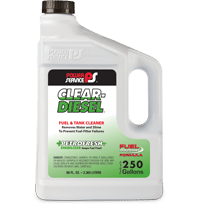
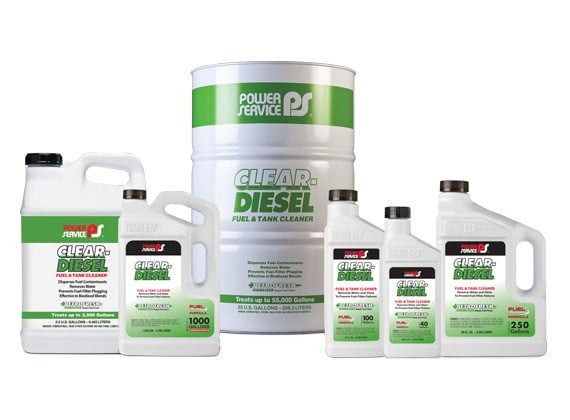
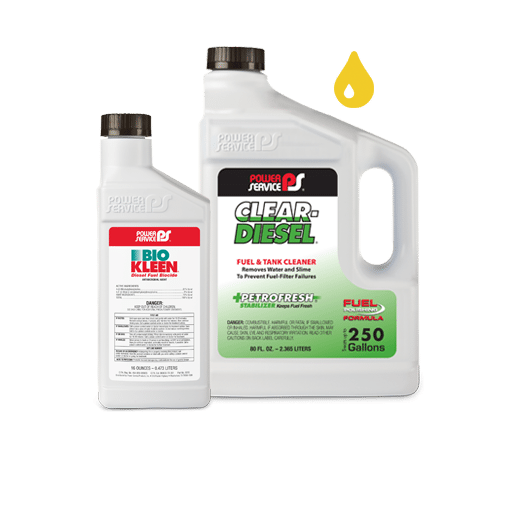
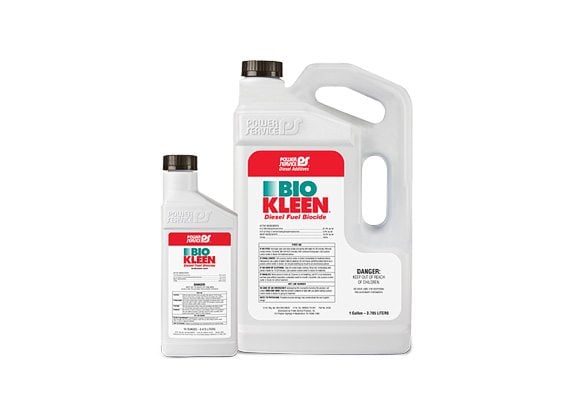
Available in: 16-Ounce, 26-Ounce, 32-Ounce, 64-Ounce, 80-Ounce, 1-Gallon, 2.5-Gallon, 55-Gallon Drum
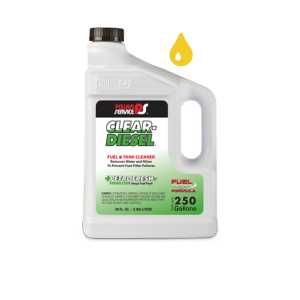
Clear-Diesel Fuel & Tank Cleaner is an advanced diesel fuel and tank cleaning technology. Water has always been a problem in diesel fuel. But today’s cleaner-burning fuels have dramatically reduced sulfur content and are more prone to water separation, contamination and are inherently unstable. This Fuel Polishing Formula removes water and slime, disperses fuel contaminants and stabilizes fuel during long-term storage. It can be used as a vital part of any preventive maintenance program or for immediate clean-up of equipment or fuel storage tanks. Add Clear-Diesel at least quarterly or as needed.
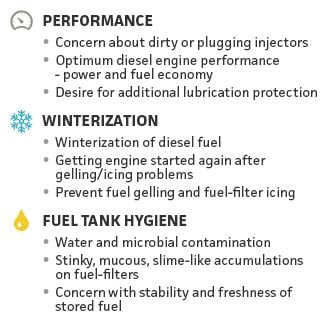
Benefits
Year-Round Maintenance Schedule
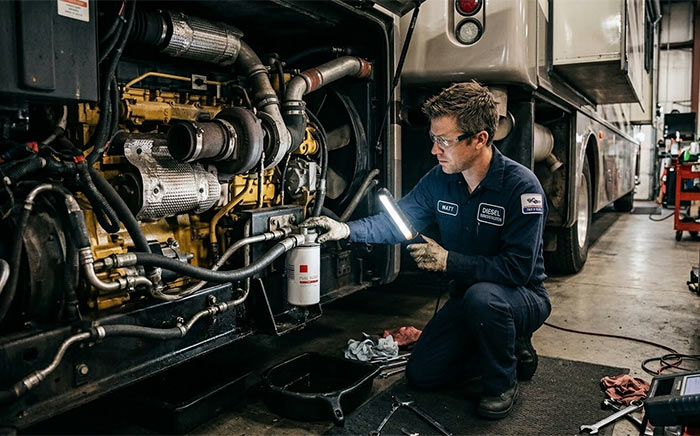
To ensure peak performance of your diesel, Power Service recommends this Year-Round Maintenance Schedule.
Check out our video for more information.
Every time you fill up
If temperatures are above 30°F., add
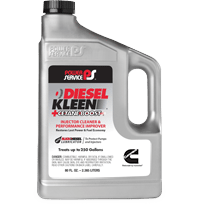
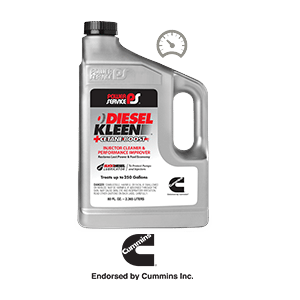
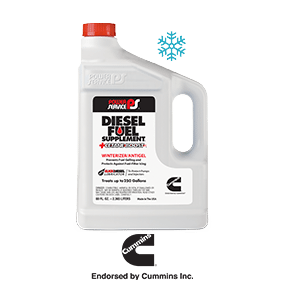
Diesel Kleen +Cetane Boost (silver bottle) to clean injectors, boost power, lubricate pumps and injectors and restore lost power and fuel economy.
Use monthly or as needed
Use this
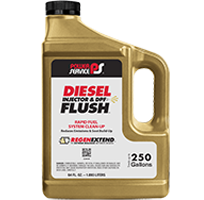
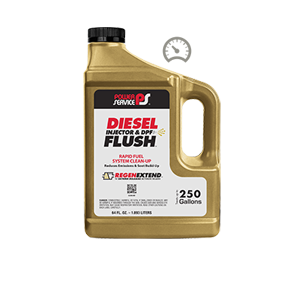
Diesel Injector & DPF Flush to remove injector deposits and reduce emissions & soot build-up in the DPF. It decreases the frequency & duration of both active and passive diesel regens and minimizes forced regens that lead to costly downtime.
In a winter emergency
Use
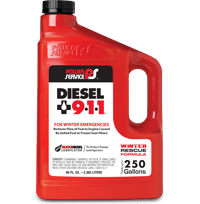
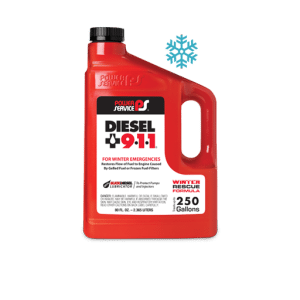
Diesel 9•1•1 to reliquify gelled fuel and de-ice frozen fuel-filters if your vehicle will not start or gain power in cold weather.
At least quarterly or as needed
Treat with
Clear-Diesel Fuel & Tank Cleaner to remove water, disperse contaminants and ensure fuel is stabilized for long-term storage.
This product is to be added to the fuel. DO NOT ADD TO THE DIESEL EXHAUST FLUID TANK.
TO CLEAN FUEL TANKS AND PREVENT PREMATURE FUEL-FILTER PLUGGING: If possible, pump or drain excess water and fuel contaminants from bottom of fuel tank until diesel fuel appears. Add entire contents (16 ounces) of Clear-Diesel Fuel & Tank Cleaner to each 20 gallons of diesel fuel.
TO MAINTAIN A CLEAN FUEL TANK AND STABILIZE FUEL FOR LONG-TERM STORAGE: Add entire contents (16 ounces) of Clear-Diesel to each 40 gallons of fuel tank capacity. Fill tank with diesel fuel.
TO CLEAN FUEL TANKS AND PREVENT PREMATURE FUEL-FILTER PLUGGING: If possible, pump or drain excess water and fuel contaminants from bottom of fuel tank until diesel fuel appears. Add 26 ounces of Clear-Diesel Fuel & Tank Cleaner to each 70 gallons of diesel fuel.
TO MAINTAIN A CLEAN FUEL TANK AND STABILIZE FUEL FOR LONG-TERM STORAGE: Add 26 ounces of Clear-Diesel to each 100 gallons of fuel tank capacity. Fill tank with diesel fuel.
TO CLEAN FUEL TANKS AND PREVENT PREMATURE FUEL-FILTER PLUGGING: If possible, pump or drain excess water and fuel contaminants from bottom of fuel tank until diesel fuel appears. Add 32 ounces of Clear-Diesel Fuel & Tank Cleaner to each 50 gallons of diesel fuel.
TO MAINTAIN A CLEAN FUEL TANK AND STABILIZE FUEL FOR LONG-TERM STORAGE: Add 32 ounces of Clear-Diesel to each 100 gallons of fuel tank capacity. Fill tank with diesel fuel.
TO CLEAN FUEL TANKS AND PREVENT PREMATURE FUEL-FILTER PLUGGING: If possible, pump or drain excess water and fuel contaminants from bottom of fuel tank until diesel fuel appears. Add 64 ounces of Clear-Diesel Fuel & Tank Cleaner to each 125 gallons of diesel fuel.
TO MAINTAIN A CLEAN FUEL TANK AND STABILIZE FUEL FOR LONG-TERM STORAGE: Add 64 ounces of Clear-Diesel to each 250 gallons of fuel tank capacity. Fill tank with diesel fuel.
TO CLEAN FUEL TANKS AND PREVENT PREMATURE FUEL-FILTER PLUGGING: If possible, pump or drain excess water and fuel contaminants from bottom of fuel tank until diesel fuel appears. Add 80 ounces of Clear-Diesel Fuel & Tank Cleaner to each 125 gallons of diesel fuel.
TO MAINTAIN A CLEAN FUEL TANK AND STABILIZE FUEL FOR LONG-TERM STORAGE: Add 80 ounces of Clear-Diesel to each 250 gallons of fuel tank capacity. Fill tank with diesel fuel.
TO CLEAN FUEL TANKS AND PREVENT PREMATURE FUEL-FILTER PLUGGING: If possible, pump or drain excess water and fuel contaminants from bottom of fuel tank until diesel fuel appears. Add 1 gallon of Clear-Diesel Fuel & Tank Cleaner to each 500 gallons of diesel fuel.
TO MAINTAIN A CLEAN FUEL TANK AND STABILIZE FUEL FOR LONG-TERM STORAGE: Add 1 gallon of Clear-Diesel to each 1,000 gallons of fuel tank capacity. Fill tank with diesel fuel.